
The Importance of Accessibility in Web Design
Introduction
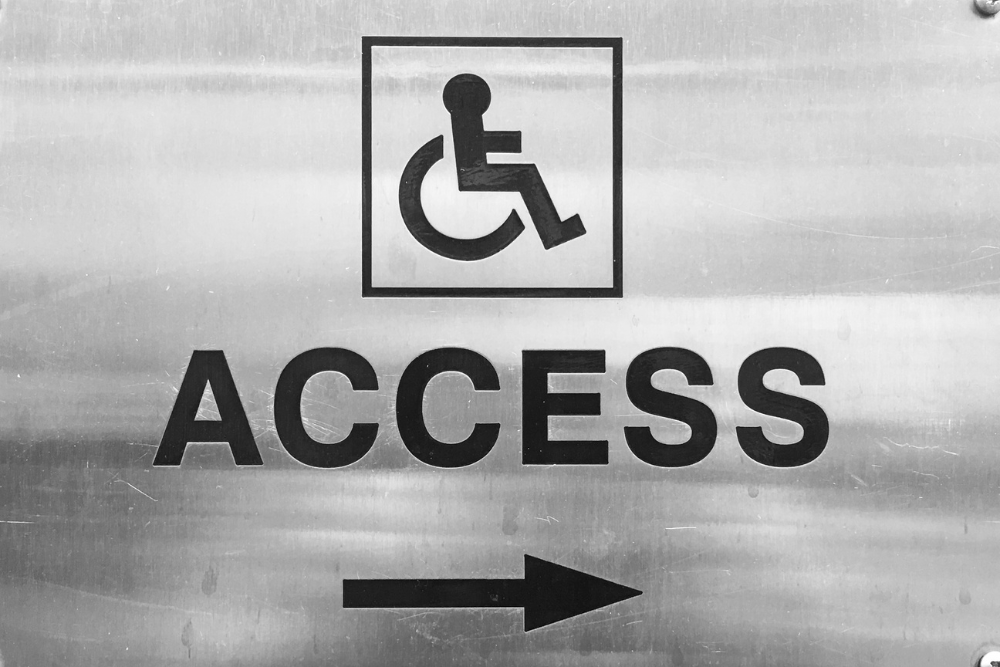
In the ever-evolving digital landscape, web design plays a pivotal role in shaping user experiences. While creating visually appealing and interactive websites is essential, prioritizing accessibility ensures that digital spaces are inclusive and usable by everyone, regardless of their abilities or disabilities. Accessibility in web design is not just a legal or ethical obligation—it’s an opportunity to connect with a broader audience and foster a more inclusive digital world.
What is Web Accessibility?
Web accessibility refers to designing and developing websites, tools, and technologies so that people with disabilities can perceive, understand, navigate, interact with, and contribute to the web. This includes individuals with visual, auditory, motor, and cognitive impairments, as well as situational limitations such as low bandwidth or temporary injuries.
The Web Content Accessibility Guidelines (WCAG) provide a comprehensive framework for creating accessible websites. These guidelines focus on four key principles:
- Perceivable: Information and interface elements must be presented in ways users can perceive.
- Operable: Navigation and interaction components must be usable with a variety of input methods.
- Understandable: Content and operation must be easy to comprehend.
- Robust: Websites must remain compatible with current and future assistive technologies.
Why Accessibility Matters
- Inclusivity: Accessibility ensures that people with disabilities can participate fully in the digital world, from accessing information to shopping online and engaging in social platforms.
- Legal Compliance: Many countries have laws and regulations, such as the Americans with Disabilities Act (ADA) and the European Accessibility Act, requiring digital platforms to be accessible.
- Improved User Experience: Accessible design often leads to better usability for all users, including those without disabilities. For instance, captions benefit both deaf users and people watching videos in noisy environments.
- Expanded Audience: By making websites accessible, businesses can reach a broader audience, including the estimated 1 billion people worldwide with disabilities.
- Enhanced SEO: Accessibility practices, such as using proper headings and alt text, align with search engine optimization (SEO) best practices, boosting visibility in search results.
Conclusion
Accessible web design is not just about compliance; it’s about creating a web that everyone can use and enjoy. By prioritizing accessibility, designers and developers can contribute to a more inclusive digital ecosystem, improve user satisfaction, and expand their reach.
Remember, accessibility is not a feature—it’s a fundamental aspect of good design. Together, we can build a digital landscape that truly serves everyone. Contact Atlas Buying Group to get started today.
About the author : atlas